How the Force Works for Non-Jedi
A Guide for the WEG Star Wars Roleplaying Game
When people think of the Force in Star Wars, they immediately picture Jedi Knights deflecting blaster bolts or Sith Lords throwing lightning across a room. But in the West End Games Star Wars Roleplaying Game, the Force is not limited to Jedi.
In fact, one of the most interesting aspects of the WEG system is that any character can interact with the Force in small but meaningful ways.
You don’t need to carry a lightsaber or wear robes to feel its influence.
Let’s take a look at how the Force works for non-Jedi characters.
The Force Is Everywhere
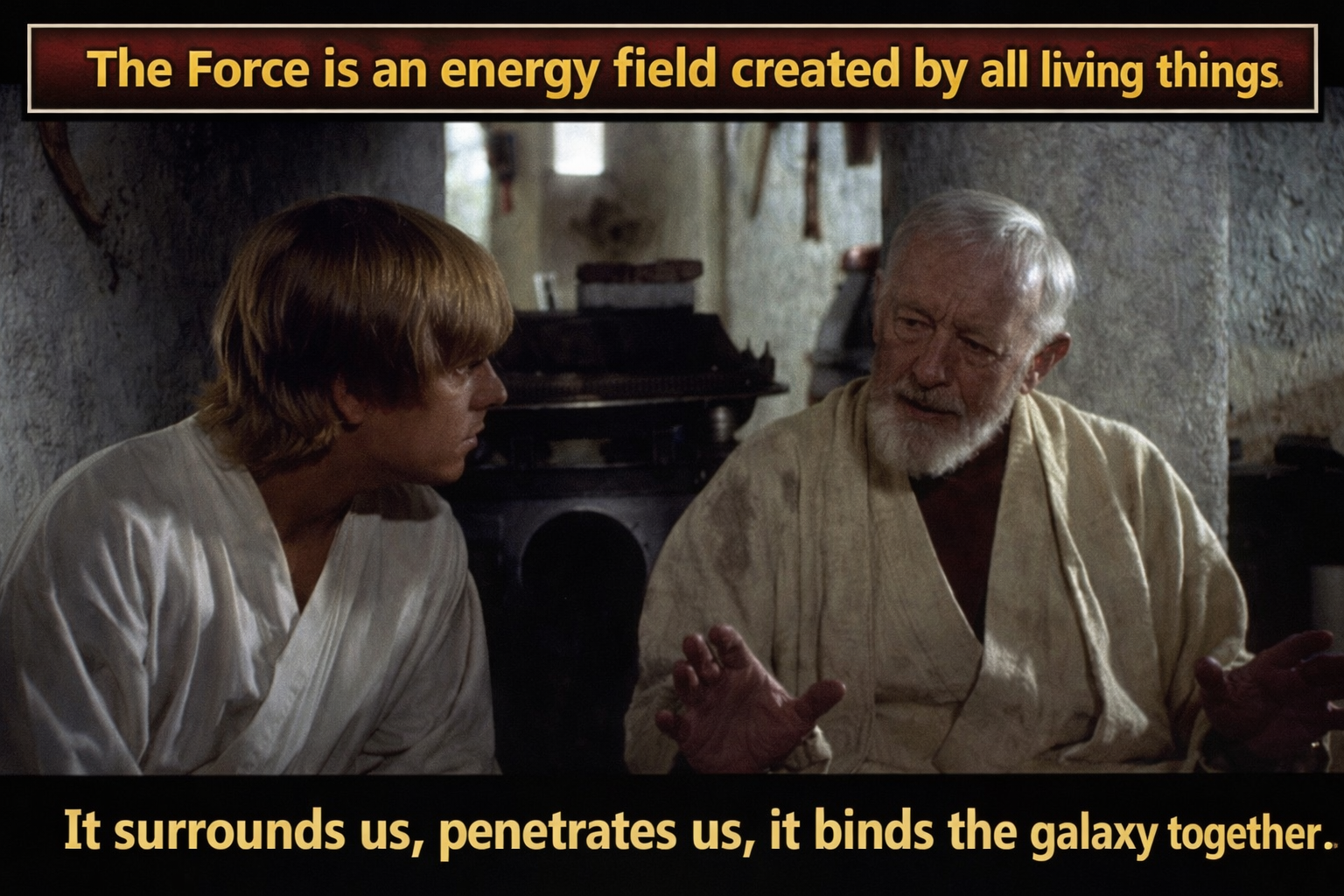
In the Star Wars universe, the Force surrounds and binds all living things. That means even characters who have never received Jedi training can still experience moments where the Force subtly influences events.
Think about characters in the films:
Han Solo always seems to get lucky at the last second.
Leia instinctively senses Luke during critical moments.
Pilots somehow thread impossible asteroid fields.
These moments are exactly what Force mechanics in WEG represent for non-Jedi characters.
Force Points: Heroic Moments
The most common way non-Jedi interact with the Force is through Force Points.
A Force Point represents a moment when destiny intervenes.
When a player spends a Force Point:
All dice rolled during that round are doubled.
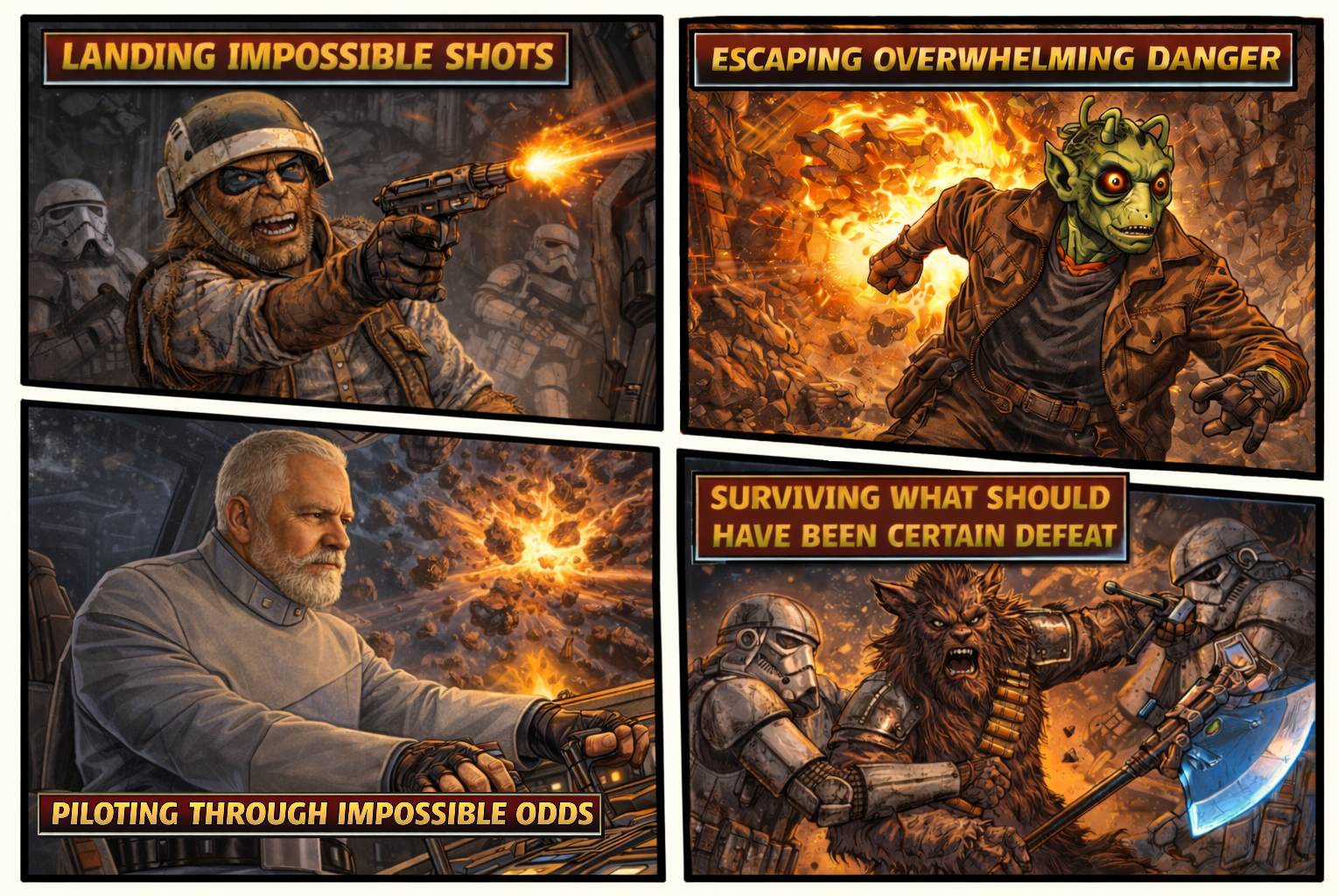
This means a character can suddenly perform incredible feats such as:
Landing impossible shots
Escaping overwhelming danger
Piloting through impossible odds
Surviving what should have been certain defeat
Mechanically it’s simple.
Narratively it’s cinematic.
A smuggler making a desperate hyperspace jump or a soldier charging a blaster emplacement might spend a Force Point to represent that once-in-a-lifetime heroic push.
Force-Sensitive Non-Jedi
Some characters may be Force-sensitive but not trained.
These characters do not begin with Jedi powers, but they have the potential to learn them later.
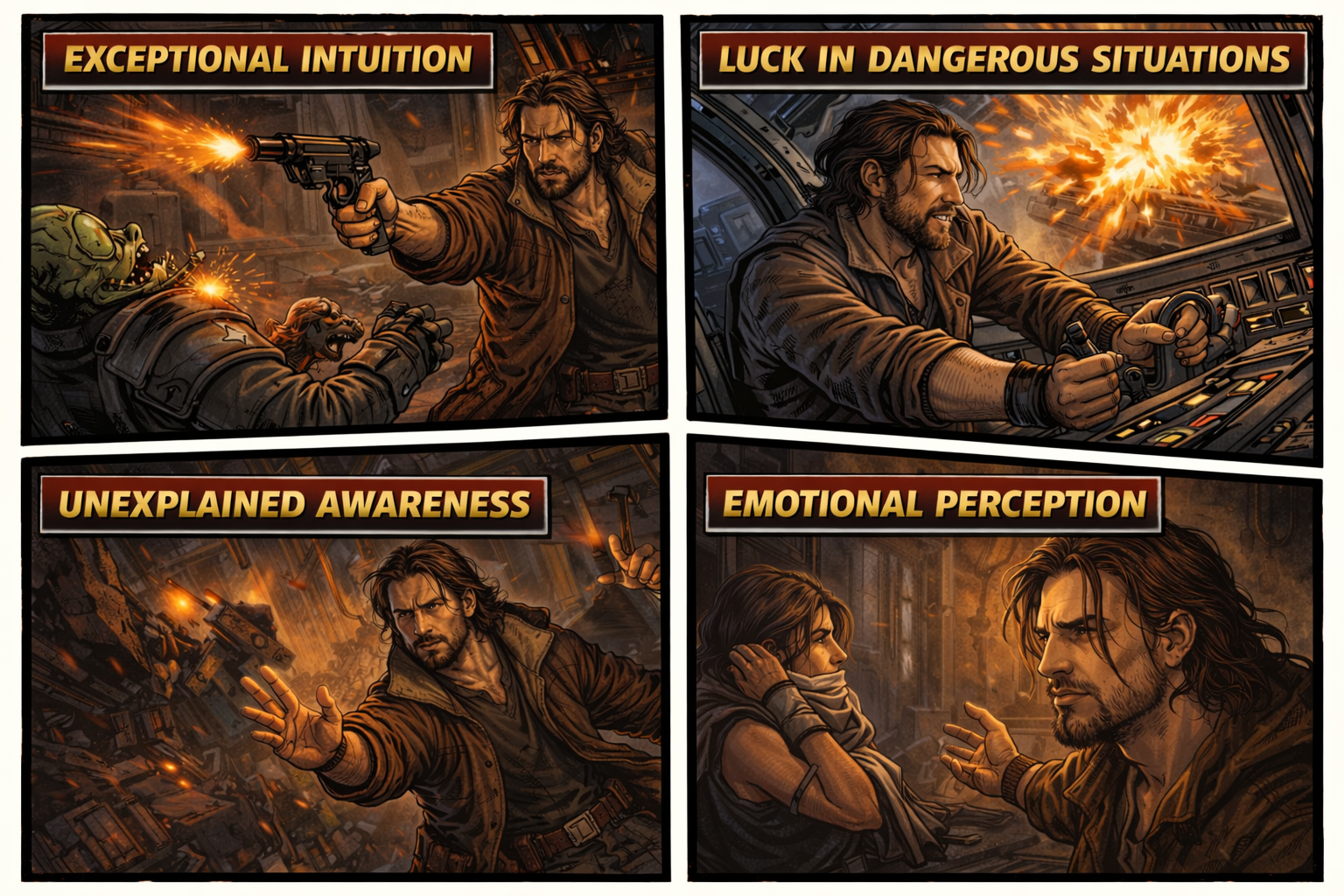
Until then, their connection to the Force often manifests as:
Exceptional intuition
Luck in dangerous situations
Unexplained awareness
Emotional perception
A Force-sensitive smuggler might “just know” when a deal is going bad.
A pilot might instinctively feel the right moment to pull a maneuver.
The Force is there — just untapped.
The Difference Between Jedi and Non-Jedi
The key difference is training.
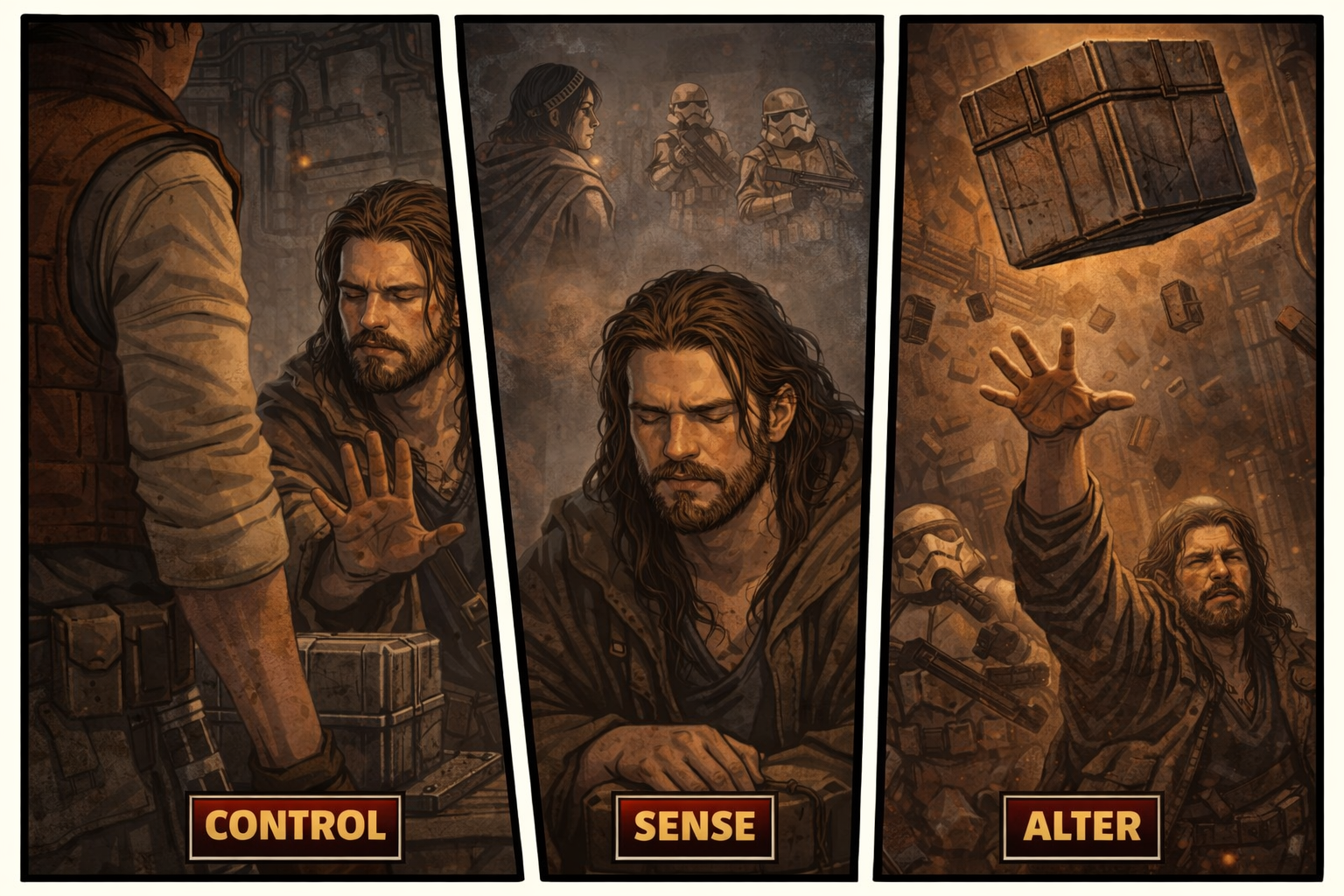
Jedi characters actively use Force skills such as:
Control
Sense
Alter
Non-Jedi characters do not have access to these powers.
Instead, their interaction with the Force is indirect.
It appears through:
Heroic actions
Luck
Dramatic survival
Narrative destiny
Which fits perfectly with the feel of Star Wars storytelling.
Why This Matters in Your Game
One of the great strengths of the WEG system is that it keeps non-Jedi characters just as important as Jedi.
A group made entirely of Jedi can feel powerful.
But a group of smugglers, soldiers, and spies using the Force indirectly often feels more like the original trilogy.
Everyone has their moment to shine.
And sometimes the Force works through people who don’t even realize it.
The Force Doesn’t Require a Lightsaber
In the end, the Force isn’t just about telekinesis or lightsabers.
It’s about heroism, destiny, and the moment when ordinary people rise to extraordinary challenges.
That’s why the WEG rules allow every character to touch the Force in some way.
Even if they never become a Jedi.
Because in Star Wars, the Force doesn’t belong to a single order.
It belongs to the galaxy.
And sometimes it chooses the most unlikely heroes.
COMING Soon to The Mystic Syndicate