In Defense of Star Wars: A Response to Carolyn Jenkins’ Critique
There’s a growing trend in modern media criticism: tearing down beloved classics under the guise of “re-evaluation.” Carolyn Jenkins’ recent critique of Star Wars falls squarely into that category—less an objective analysis and more a reflection of personal bias, particularly her clear favoritism toward Dune and its modern resurgence.
In her article, 8 reasons it's tough to watch the original Star Wars trilogy today on CBR, Carolyn pitches
Original Trilogy Isn’t Perfect - Even beloved films like Star Wars Original Trilogy have not “aged perfectly”
Gender Politics Are Problematic - Female representation, while progressive for the 70s, is still flawed
Visual Effects Feel Dated - Some effects no longer hold up compared to modern standards
Jedi Are Morally Flawed - Prequels and expanded media show the Jedi as bureaucratic and flawed
Luke & Leia Twist Creates Discomfort -Their sibling reveal retroactively makes earlier romantic moments awkward
Han vs. Greedo Scene Is Problematic - Changes in the Special Editions create confusion
Loss of Original Theatrical Cuts - Original versions are difficult/impossible to access
Special Edition CGI Is Distracting - Added digital effects feel unnecessary and immersion-breaking
Star Wars Borrows Heavily from Dune - Tatooine resembles Arrakis
Overall Theme - Star Wars is still enjoyable, but it should be viewed asimperfect and dated, not untouchable
Let’s set the record straight.
Context Matters—And Star Wars Still Holds Up
Jenkins argues that Star Wars Original Trilogy has “aged poorly” in several areas—from visuals to storytelling. But this criticism ignores a fundamental truth: these films defined the modern blockbuster.
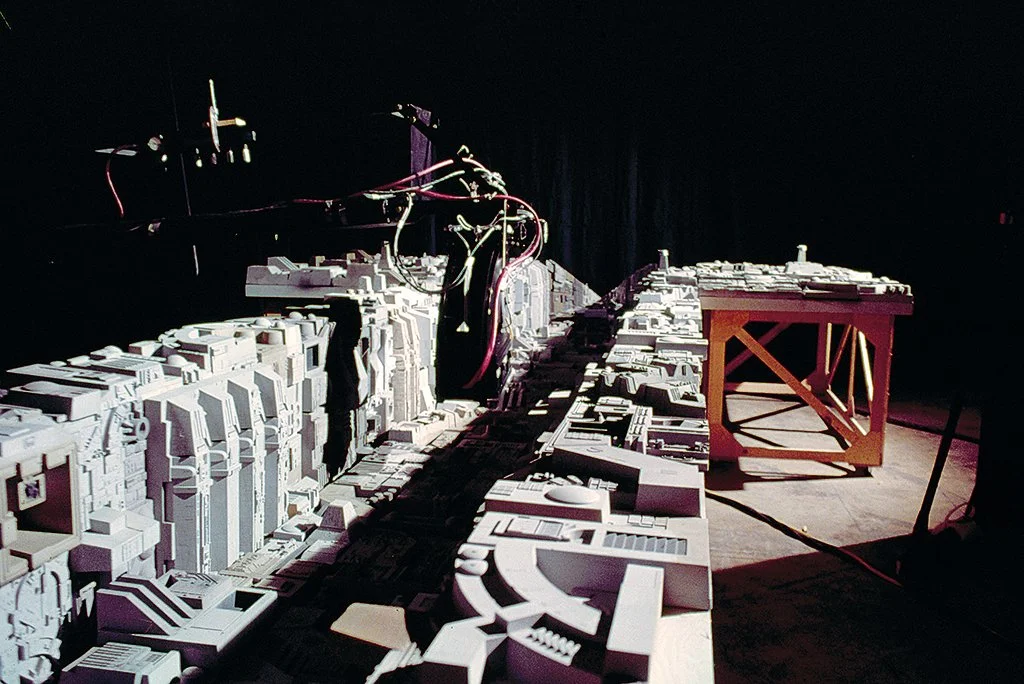
The practical effects weren’t a limitation—they were a revolution.
The storytelling wasn’t flawed—it was mythic, drawing from Joseph Campbell’s hero’s journey.
The characters weren’t shallow—they became archetypes that still influence storytelling today.
To judge a 1977 film by 2026 standards without acknowledging its historical impact is not critique—it’s revisionism.
The “Dated Visuals” Argument Misses the Point
Yes, technology evolves. That’s obvious. But Jenkins’ dismissal of the original lightsaber duels and effects ignores something crucial:
The original trilogy prioritized tension, storytelling, and character over spectacle.
Compare that to many modern CGI-heavy films. Bigger doesn’t always mean better.
Even today, practical effects from George Lucas and his team are widely respected—often more so than early digital effects from the late ‘90s.
The Leia Argument Is Selective Criticism
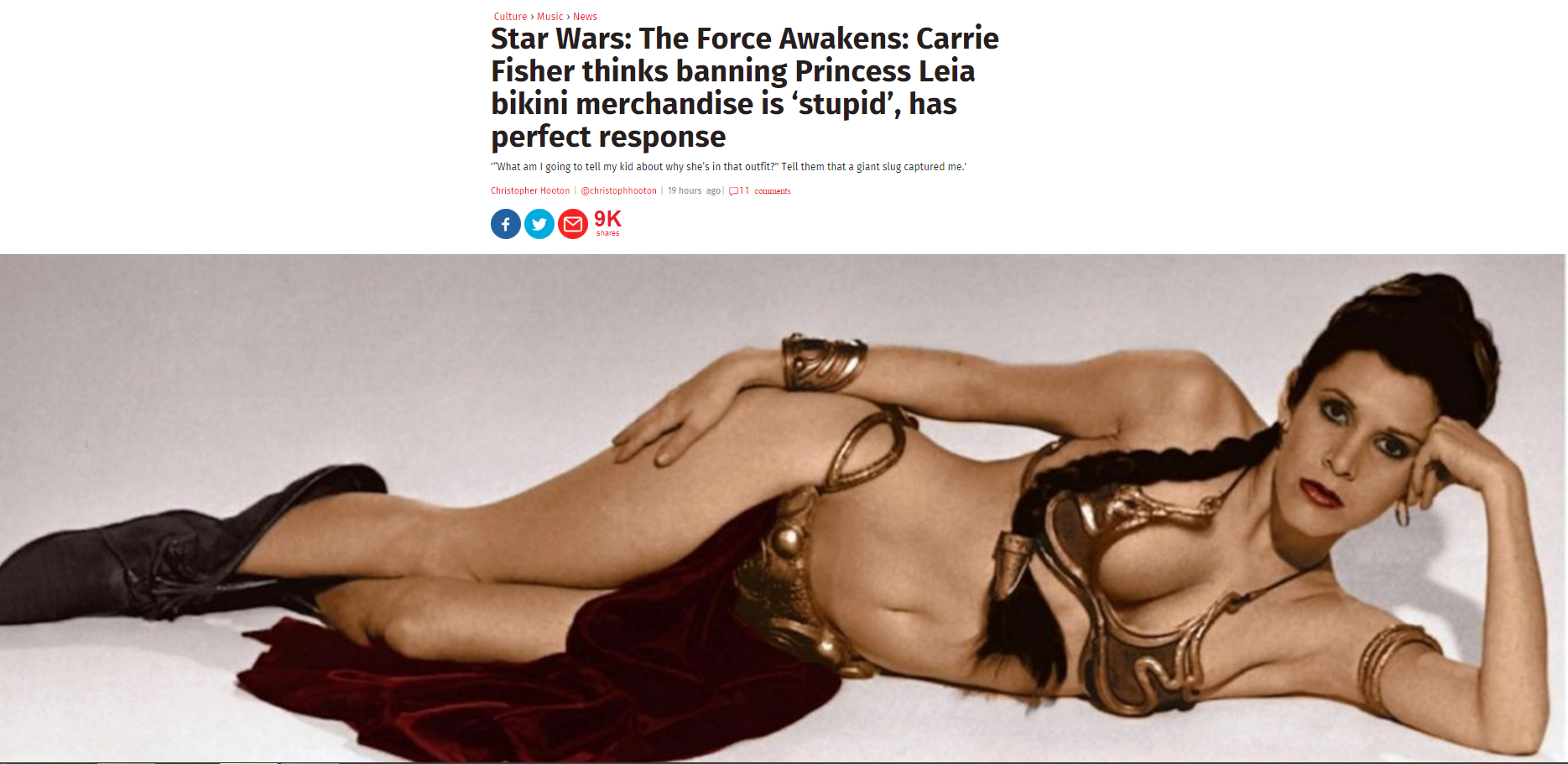
Jenkins highlights Leia’s gold bikini as evidence of problematic gender politics . But this is a narrow reading.
Leia is a leader, strategist, and fighter
She rescues others as often as she is rescued
She ultimately kills Jabba herself, reclaiming agency in that very scene
Reducing her entire character to one costume choice says more about the critic than the character.
The Jedi “Moral Failure” Isn’t a Flaw—It’s Depth
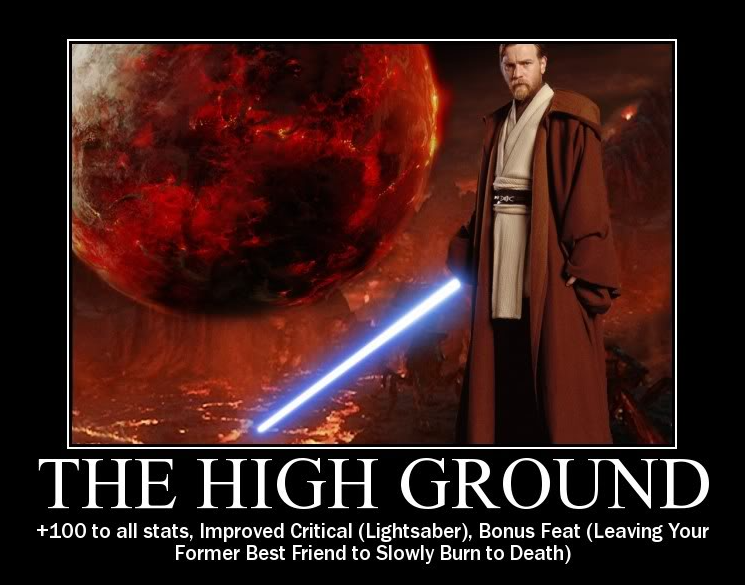
The claim that the Jedi “lost the moral high ground” misses the narrative evolution of the saga.
The prequels—and later Star Wars: The Clone Wars—intentionally show:
Institutional failure
Bureaucratic decay
The dangers of dogma
That’s not a contradiction. That’s world-building.
If anything, it strengthens the original trilogy by adding tragic context.
Luke and Leia? A Retcon, Not a Ruin
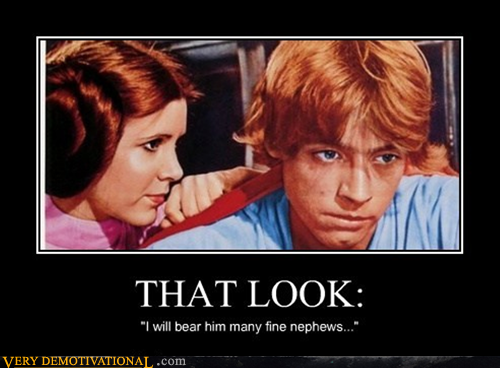
Yes, the sibling reveal creates awkward retroactive moments. But let’s be honest:
This was a late narrative decision, not some grand failure
It doesn’t “ruin” the trilogy—it adds dramatic irony
If anything, it shows the evolving nature of storytelling in a growing franchise.
The Han Shot First Debate Is Overblown
The endless debate about Greedo is treated as a major flaw, but in reality:
It’s a fan culture artifact, not a storytelling failure
The original intent is clear: Han was a rogue who evolves
This is nitpicking elevated to criticism.
The Real Bias: Dune vs. Star Wars
Here’s where the article’s perspective becomes clear.
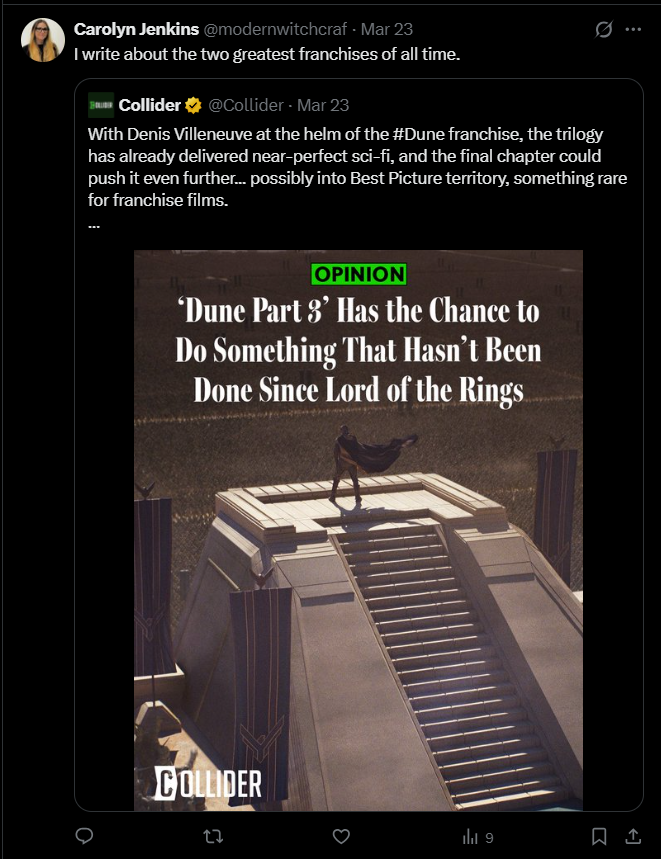
Jenkins leans heavily into comparisons with Dune and its source material by Frank Herbert, framing Star Wars as derivative—especially calling Tatooine an “Arrakis knock-off” .
But this argument falls apart quickly:
Science fiction has always built on shared ideas
Desert planets, empires, mysticism—these are genre staples
Star Wars blends influences: Kurosawa films, Flash Gordon, WWII dogfights—not just Dune
Calling it a “knock-off” ignores its originality in tone, accessibility, and mythic structure.
And let’s be blunt:
This reads less like criticism and more like a Dune fan taking a victory lap.
Special Editions vs. Originals—A Fair Critique (Mostly)
One point Jenkins gets partially right is the frustration with altered versions of the films.
Many fans do prefer the original theatrical cuts. But again:
This is a debate about preservation—not quality
It doesn’t diminish the impact of the original trilogy itself
Final Verdict: Star Wars Doesn’t Need Defending—But It Deserves Fairness
Star Wars isn’t perfect. Nothing is.
But the attempt to reframe it as “deeply flawed” or “outdated” ignores its enduring influence:
It shaped modern cinema
It built one of the most beloved universes ever created
It continues to inspire generations
Carolyn Jenkins’ critique ultimately says more about her preferences—particularly her clear bias toward Dune—than it does about Star Wars itself.
And that’s fine.
But let’s call it what it is: opinion, not objective analysis.